Author: Parrodise

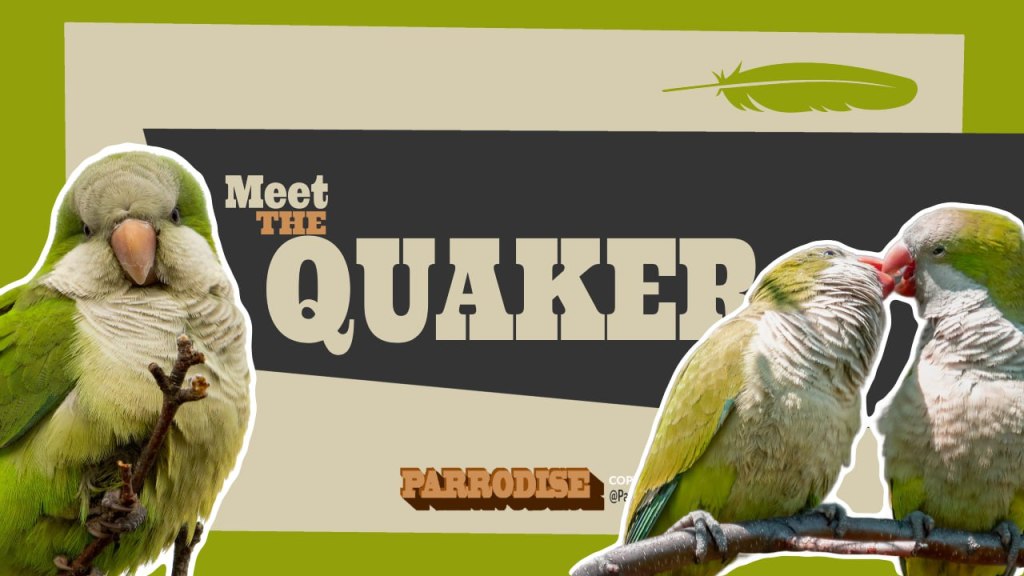
  • Meet the Quaker

    Meet the Quaker

    You’ve probably seen your parrot wipe its beak along a perch, your sleeve, or the side of its cage. It looks cute, even a little fancy, like a bird using a napkin after a nice meal. But here’s the truth, it’s not just a quirky habit. Beak wiping has 3 different meanings..

    1. It’s About Staying Clean

    Just like you wipe your hands after eating, parrots wipe their beaks. After munching on soft fruit or squishy vegetables, birds will drag their beaks across a hard surface to clean up the mess. Think of the perch or cage bar as their personal napkin. It’s a built-in clean-up system that keeps your bird looking fresh.

    2. It’s Grooming, Too

    Parrots also wipe their beaks as part of their regular grooming routine. This helps keep the beak smooth and properly shaped. Beak wiping removes food particles, dust, and small debris. In short, it’s like brushing their teeth or combing their hair. A clean, well-shaped beak is essential for eating, climbing, and even showing off a little.

    3. It Can Be a Sign of Frustration or Aggression

    Here’s the twist. Beak wiping isn’t always about hygiene. Sometimes, it’s an emotional signal. If your bird is feeling annoyed, overexcited, or even a little ticked off, you might see a sudden beak wipe that’s fast and forceful, followed by a puffed-up stance or an intense stare. It’s their way of saying, “Back off,” or “I’m not in the mood.”

    So How Can You Tell the Difference?

    Pay attention to what happens right after the beak wipe.

    • If your bird is calm, fluffs its feathers, or moves on to preening or playing, it was probably just cleaning or grooming.
    • If it freezes, stares, or puffs up, you’re looking at a warning sign. Time to give your bird a little space.
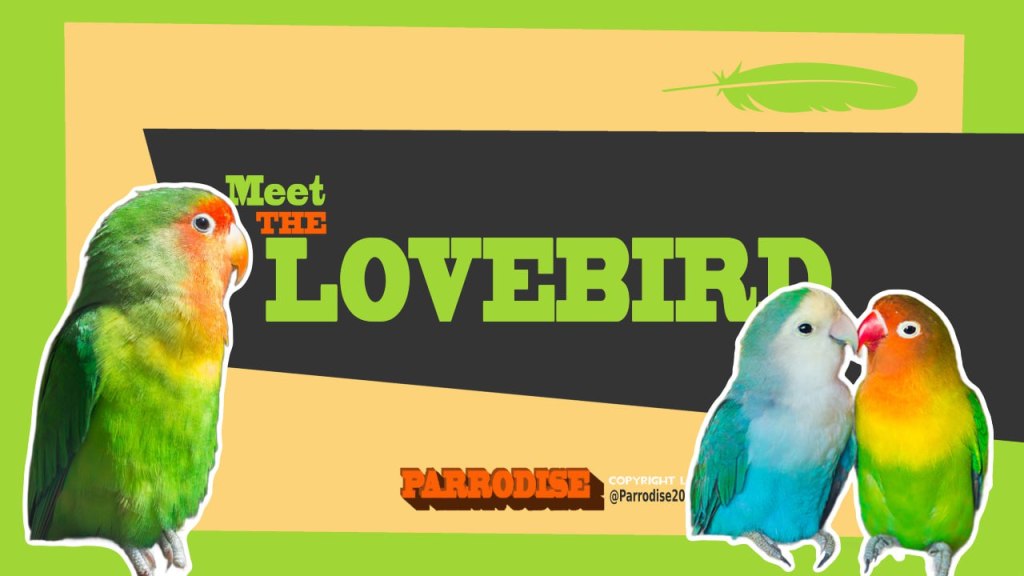
  • Meet the Lovebird

    Meet the Lovebird

    You’ve probably seen your parrot wipe its beak along a perch, your sleeve, or the side of its cage. It looks cute, even a little fancy, like a bird using a napkin after a nice meal. But here’s the truth, it’s not just a quirky habit. Beak wiping has 3 different meanings..

    1. It’s About Staying Clean

    Just like you wipe your hands after eating, parrots wipe their beaks. After munching on soft fruit or squishy vegetables, birds will drag their beaks across a hard surface to clean up the mess. Think of the perch or cage bar as their personal napkin. It’s a built-in clean-up system that keeps your bird looking fresh.

    2. It’s Grooming, Too

    Parrots also wipe their beaks as part of their regular grooming routine. This helps keep the beak smooth and properly shaped. Beak wiping removes food particles, dust, and small debris. In short, it’s like brushing their teeth or combing their hair. A clean, well-shaped beak is essential for eating, climbing, and even showing off a little.

    3. It Can Be a Sign of Frustration or Aggression

    Here’s the twist. Beak wiping isn’t always about hygiene. Sometimes, it’s an emotional signal. If your bird is feeling annoyed, overexcited, or even a little ticked off, you might see a sudden beak wipe that’s fast and forceful, followed by a puffed-up stance or an intense stare. It’s their way of saying, “Back off,” or “I’m not in the mood.”

    So How Can You Tell the Difference?

    Pay attention to what happens right after the beak wipe.

    • If your bird is calm, fluffs its feathers, or moves on to preening or playing, it was probably just cleaning or grooming.
    • If it freezes, stares, or puffs up, you’re looking at a warning sign. Time to give your bird a little space.

  • Why Your Parrot Wipes Its Beak?

    Why Your Parrot Wipes Its Beak?

    You’ve probably seen your parrot wipe its beak along a perch, your sleeve, or the side of its cage. It looks cute, even a little fancy, like a bird using a napkin after a nice meal. But here’s the truth, it’s not just a quirky habit. Beak wiping has 3 different meanings..

    1. It’s About Staying Clean

    Just like you wipe your hands after eating, parrots wipe their beaks. After munching on soft fruit or squishy vegetables, birds will drag their beaks across a hard surface to clean up the mess. Think of the perch or cage bar as their personal napkin. It’s a built-in clean-up system that keeps your bird looking fresh.

    2. It’s Grooming, Too

    Parrots also wipe their beaks as part of their regular grooming routine. This helps keep the beak smooth and properly shaped. Beak wiping removes food particles, dust, and small debris. In short, it’s like brushing their teeth or combing their hair. A clean, well-shaped beak is essential for eating, climbing, and even showing off a little.

    3. It Can Be a Sign of Frustration or Aggression

    Here’s the twist. Beak wiping isn’t always about hygiene. Sometimes, it’s an emotional signal. If your bird is feeling annoyed, overexcited, or even a little ticked off, you might see a sudden beak wipe that’s fast and forceful, followed by a puffed-up stance or an intense stare. It’s their way of saying, “Back off,” or “I’m not in the mood.”

    So How Can You Tell the Difference?

    Pay attention to what happens right after the beak wipe.

    • If your bird is calm, fluffs its feathers, or moves on to preening or playing, it was probably just cleaning or grooming.
    • If it freezes, stares, or puffs up, you’re looking at a warning sign. Time to give your bird a little space.